
Perspectives
What "Understanding Rwanda" Actually Means for AI
Every AI company claims to understand its users. For a system that's supposed to understand Rwanda, that claim has to mean something more specific than it usually does.
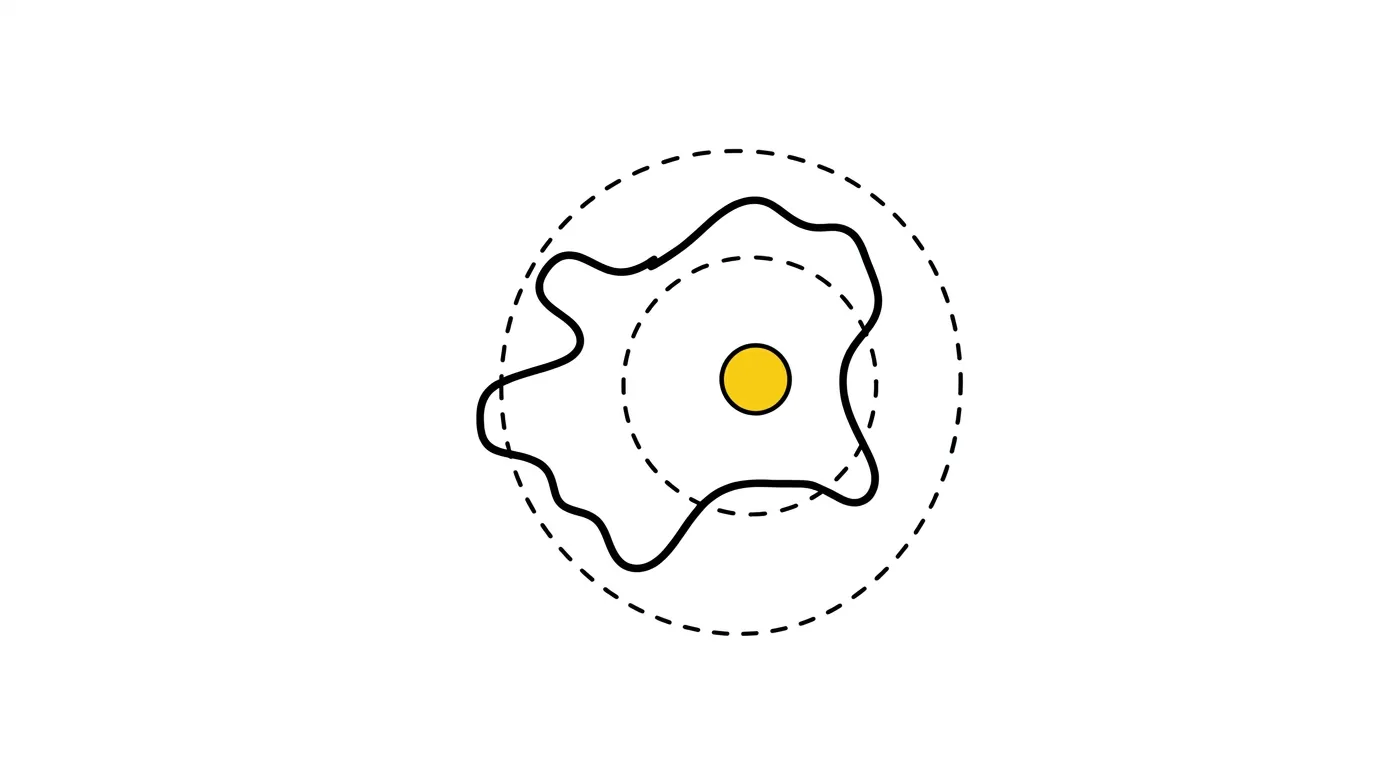
"Near the market, past the blue church" is a completely normal way to describe a place in Rwanda. It is also useless to most AI systems, which expect a formal address or GPS coordinates. That gap — between how a place is officially recorded and how people actually talk about it — is a big part of what I work on at ATAS.
"Context" is not one thing
When we say an AI system should understand context, we mean several different things at once: knowing that two different descriptions can point to the same place, recognizing names and communication patterns that are specifically Rwandan, and being able to reason about how everyday systems — schools, markets, local administration — actually work here rather than assuming a generic model.
Why this is worth doing carefully
It would be easy to bolt a Rwanda-specific dictionary onto an existing model and call it done. We are trying to do something slower and more durable — building the understanding in from the start, so it holds up as new products get built on top of it, rather than becoming a patch that eventually breaks.

Samuel Hagenimana
Research Collaborator - Contextual AI
Collaborates on ATAS's contextual AI research, focused on how AI can understand Rwandan places and context.
Related from the newsroom

Discussion (0)
No comments yet
Be the first to share your thoughts on this article.